Fresno is hard on buildings. Long stretches of heat, irrigated landscapes that swing from bone dry to waterlogged, and a patchwork of agriculture and industry create ideal corridors for insects and rodents. Offices and warehouses feel it first in the places people don’t linger: dock doors that don’t seal, break room drains, dusty mezzanines, and cardboard-heavy storage areas. If your building houses food, packaging, electronics, or paper, pests have a reason to stay. If it also provides water and warmth, they bring their friends.
What follows reflects years of walking Fresno properties at dawn with a flashlight and a notepad, standing by while forklifts lift pallets to expose hidden runways, and explaining to managers why a gap “only the width of a pencil” will still invite mice. Good commercial pest control in Fresno isn’t a spray-and-go routine. It’s a plan, measured against your risks, your layout, your tolerance for disruption, and your regulatory obligations.
Fresno’s pressure points: what infests offices and warehouses here
Climate and infrastructure shape pest pressure more than most people think. Summer heat drives insects into evaporative-cooled offices and swamp coolers. Irrigation in neighboring fields supports gnats and mosquitoes, which then find storm drains on your lot. Older cinder block walls, corrugated metal joints, and roll-up doors let in rodents. Fresno’s blend of agriculture and distribution moves pests along transit routes and into cross-dock facilities.
Rodent control in Fresno gets complicated in late summer and fall when field mice and rats leave harvested fields and seek cover. If your warehouse backs to a canal, orchard, or empty lot with tall weeds, you should assume rats test your perimeter nightly. Cockroach control in Fresno often centers on German roaches in break rooms and maintenance shops, and American roaches in sewer-connected floor drains. Ant control spikes along irrigated landscaping, then surges indoors during heat waves or after rain. Spider control is a constant in high-bay racking and under eaves, especially where exterior lighting draws night-flying insects. Flea and tick treatment comes up when stray animals slip into loading docks or when landscape crews bring pests from job to job. Bed bug extermination in Fresno is not just for hotels; offices with fabric chairs, soft seating in lobbies, and night-shift staff who nap in their cars can encounter them.
None of this surprises a seasoned exterminator in Fresno CA, but each building expresses the problem differently. A 12-door cross-dock is not a climate-controlled pharma warehouse. An insurance office with five suites is not a call center with 300 employees and a cafeteria. Plans need to reflect those differences.
Offices need discretion; warehouses need precision
Office managers usually care about speed, discretion, and zero odor. Warehouse managers care about uptime, safety, and audit trails. Both want year-round pest protection. Balancing those priorities means controlling where and how treatments occur.
In offices, roach gel bait points hidden behind microwave legs, tamper-resistant insect monitors under sink cabinets, and silicone sealing around pipe penetrations do more good than a visible spray. Building services teams often miss the plenum spaces over acoustic tiles where ants trail along conduit, so inspections must go up the ladder. Bed bug checks should be surgical: crack-and-crevice inspections of soft seating with encasements for staff wellness rooms. If a complaint surfaces, same-day pest service matters, but so does keeping the response low profile.
Warehouses demand system thinking. You are dealing with thousands of linear feet of wall and pallet positions, high-speed doors that hang open, and inbound freight that may bring hitchhikers. A good plan starts with a site map and a device list. For rodent control, this includes exterior bait stations spaced appropriately and checked on a schedule, interior multi-catch traps near doors and along corrugated walls, and snap-trap placements in mechanical rooms. For crawling insects, monitors in a grid pattern in quiet corners, plus targeted crack-and-crevice applications on thresholds and expansion joints. If your facility ships food or medical goods, the program must meet audit standards with a licensed and insured exterminator documenting trends.
Why Fresno IPM looks a bit different
Integrated pest management Fresno CA is not a slogan. It’s a practice: inspection, identification, threshold decision, targeted action, and follow-up. What makes Fresno different is the heat profile and the agricultural adjacency. You often have to address water sources you cannot eliminate, like municipal storm drains, evaporative coolers, and landscaping. You also face seasonal swarms and migrations that spike suddenly.
Eco-friendly pest solutions and fresno organic pest control requests often come from offices and warehouses handling sensitive goods. You can do a lot with physical controls, sanitation, and baits. For example, a switch from broad-spectrum sprays to insect growth regulators around drains, plus enzyme drain treatments, can reduce American roach sightings without leaving a heavy chemical footprint. Exterior lighting changes from white to amber LED same-day pest service at dock aprons will cut spider webs and night-flying insects, improving spider control with no chemical at all. Trimming and raking landscape beds two to three feet away from foundation walls dries the perimeter and reduces ant pressure.
Where chemical controls are needed, selective actives and rotation schedules reduce resistance. The best integrated programs aim to make the building less attractive first, then apply targeted treatments. Over time, that lowers the total pesticide load and the number of emergency callbacks.
Building a calibrated plan: office and warehouse distinctions
Every plan starts with a pest inspection in Fresno that actually turns over stones, not a five-minute walk through. A thorough first visit should include a review of your floor plans, a talk with facilities about past issues, and a look at utility chases, compactor pads, roof drains, and the underside of dock levelers. If a provider offers a free pest inspection, ask what the inspection covers and whether you will receive a written map with device recommendations and photos. On complex sites, the right answer is yes.
Offices benefit from quarterly interior services, plus monthly exterior perimeter treatments during high-pressure months. Fresno quarterly pest service works well for buildings with stable occupancy and good housekeeping. If your office hosts frequent events, food trucks, or seasonal vendors, upticks in ants and gnats may justify monthly checks for a few months. Look closely at break rooms: commercial coffee machines often drip into hidden trays, and refrigerator gaskets collect sticky residue that attracts roaches.
Warehouses need a more granular routine. High-throughput facilities often run monthly interior monitoring and exterior perimeter services year-round, with biweekly trap checks during rodent season. Palletized cardboard is a lure; train your crew to break down scrap quickly and stage it away from walls. If you run night shifts with bay doors open, air curtains help. Better still, train receiving to inspect inbound pallets for cockroaches and rodents before they reach the racks. No treatment beats stopping pests at the threshold.
The Fresno rodent reality
Rodent control Fresno demands vigilance on three fronts: exterior habitat reduction, exclusion, and interior interception. Start by looking outward. If the field across the street runs tall weeds, rodents will cross to your lot at dusk. Coordinate with your landscaper to keep groundcover tight and low, remove fruiting plants near buildings, and keep dumpster lids closed with intact hinges. Pallets stored outside against the wall create shaded voids that become runways and nesting pockets. Move them six to eight feet off the wall if possible.
Exclusion is a craft. Pest exclusion services can pay for themselves if they actually close doors to the sizes rodents exploit. A rat can fit through a hole the size of a quarter, a mouse through a dime. Door sweeps should touch level concrete, and threshold plates should not warp. Expansion joints often separate just enough to create a gap; backer rod and sealant can fix it. Conduit penetrations, weep holes, and hose bibb entries need proper sealing. Attic and crawl space sealing in Fresno CA makes sense for older tilt-ups and office suites with accessible voids, especially if you hear activity in ceiling plenums at night.
Inside, traps beat baits for sensitive areas. You want to remove animals and confirm activity without risking dead rodents in inaccessible voids. For exteriors, tamper-resistant bait stations work if they are maintained and the bait choice and placement align with behavior. A good exterminator in Fresno CA will adjust placements based on catch data, not set-and-forget.
Roaches, ants, and the myth of the “one-time” fix
Cockroach control Fresno clients sometimes ask for a one-time spray “to knock them down.” You can reduce numbers, but if sanitation and harborage remain, the roaches rebound. The most effective approach in offices and warehouses combines baiting where roaches harbor with sanitation that deprives them of sugar and moisture. German roaches love corrugated cardboard, gasket folds, motor housings on vending machines, and electrical rooms where dust builds. American roaches trace from sewers to floor drains. Adding drain baskets, cleaning P-traps, and installing one-way drain valves in problem areas can cut off a major source.
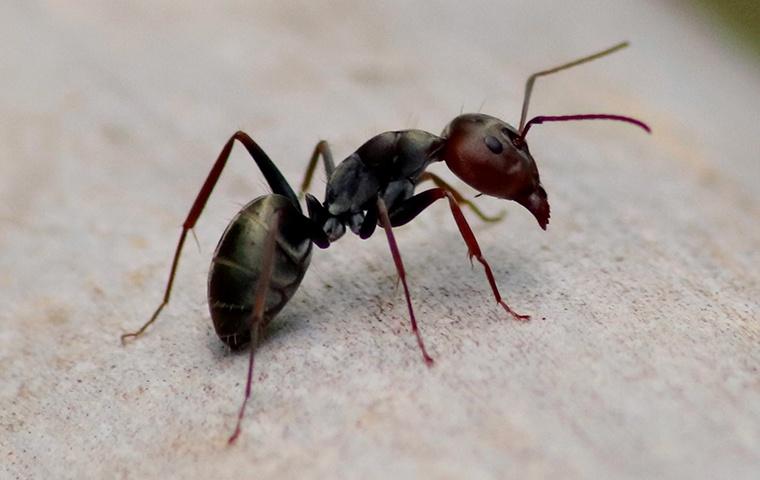
Ant control Fresno follows a similar pattern. Surface sprays can scatter certain species and make things worse. Identifying the ant species determines the bait type and placement. Argentine ants, common along irrigated landscaping, respond well to sugar-based baits placed on foraging trails. Carpenter ants need a different approach, often tied to moisture-damaged wood. The aim is to eliminate colonies, not just the foragers you see on the counter.
Bed bugs in office environments
Bed bug extermination Fresno rarely starts with a large infestation in an office. It usually begins with a single bug introduced from public transit, a personal bag, or a field technician’s vehicle. If the response is clumsy, you can create stigma and panic. The better approach uses a quiet inspection of high-risk seating and work areas, canine inspection when warranted, protective encasements on soft seating if it’s worth keeping, and clear communication that focuses on steps, not blame. Heat treatments can work for small rooms and soft goods, but they interrupt operations. Targeted chemical treatments with follow-up inspections often solve office-scale introductions with less disruption.
Flying pests: mosquitoes, gnats, and the Fresno summer
Mosquito control services can help properties near canals, basins, or retention ponds, but interventions often revolve around standing water on-site. Condensate lines that drip into shallow pans, clogged roof drains, and overwatered planters all produce breeding pockets. Partnering with a local vector control district is wise. They provide guidance on larviciding and source reduction around municipal infrastructure. Indoors, fungus gnats thrive in potted plants. Replace saturated soil, add top dressings like sand, and cut watering schedules. Again, less water where it pools means fewer flies.
What eco-friendly and organic look like in practice
Companies ask for fresno organic pest control and eco-friendly pest solutions for many reasons: employee wellness goals, third-party certifications, or brand standards. Honest programs start with non-chemical changes that measurably reduce risk. Sealing, cleaning, lighting modifications, air curtains, and landscaping corrections produce durable results. When products are necessary, look at active ingredients with favorable profiles and delivery methods that limit exposure. Gel baits for roaches and ants, insect growth regulators for drain flies, desiccant dusts in wall voids, and botanical oils in limited applications can fit. The key is not replacing a broad-spectrum chemical with a “green” broad-spectrum chemical and calling it solved. The underlying risk drivers stay the same unless you change them.
Service cadence, documentation, and audits
Distribution centers feeding national retailers face unannounced audits. Food facilities must keep meticulous records. Even non-food warehouses increasingly demand chain-of-custody clarity. A licensed and insured exterminator should deliver service logs, device maps, material safety data, trend charts, and corrective action notes after each visit. If your facility requires electronic logs, request that from the start. Emergency pest control Fresno CA is part of the equation, but auditors will ask why emergencies occur and whether the root causes were addressed.
Offices benefit from cleaner records too. If an employee reports bites in the marketing department, you want to pull a record of monitors, past findings, and a response plan within minutes, not days.
Cost management without false economies
Price-only bids often create hidden costs later. Choosing the cheapest contract that cuts device counts in half and “reduces inspection time” saves money until you fail an audit, shut down a dock to chase rodents, or pay premium rates for emergency service on a Friday night. Better to right-size from the start. Start with baseline device densities, then tune them after a few months of data.
A Fresno facility running two shifts with 10 dock doors and a compact yard might require an exterior station at each corner and between doors, plus interior traps along the dock wall, and a perimeter crawling insect barrier monthly. As activity drops, you might remove certain interior devices and reassign the budget to sealing work. Your provider should make those trade-offs visible.
Coordination with housekeeping and maintenance
No pest plan survives bad cleaning. Warehouses that sweep aisles daily but leave dock pits, compactor pads, and mealy corners untouched invite pests. Msds-safe degreasers for compactor pads, regular pressure washing schedules, and a rule that food waste never sits overnight in open bins matter. Offices with snacks in desk drawers, plants that get flooded on Fridays, and dishwashers that rarely run at a sanitizing cycle see more pests. Train teams to wipe microwave interiors, empty crumb trays, and store dry goods in sealed plastic rather than thin cardboard.
Maintenance teams hold keys to prevention. The best pest exclusion services succeed only if maintenance approves door sweep upgrades, weatherstrip replacements, and minor concrete work. If budget is tight, prioritize high-yield fixes: dock door seals, utility penetrations, and compactor pad housekeeping yield outsized results.
Response times and what “same-day” really means
When someone asks for same-day pest service, the underlying need is predictability. Bed bug sightings in an office chair, a mouse running across a conference room, or roaches in a break room need fast attention. In practice, a reliable provider sets expectations clearly. Within a few hours, you should receive a call, guidance on immediate containment, and a technician ETA. On-site, the tech should identify, treat where appropriate, and set a follow-up plan. Emergency pest control Fresno CA doesn’t always mean heavy treatment. Sometimes it means closing a room, placing monitors, and returning after hours with targeted tools to protect business continuity.
Residential overlap and mixed-use properties
Some Fresno properties mix offices with adjacent housing or have company-owned apartments for seasonal staff. Fresno residential pest control principles still apply: secure trash, seal unit penetrations, educate residents on food storage, and handle bed bug complaints sensitively. Mixed-use buildings often share utilities and wall voids that move pests between zones. Set clear boundaries and coordinate with property management to avoid gaps.
A measured path to year-round protection
Pest prevention plans should feel like an operating rhythm, not a series of fire drills. Start with a detailed inspection, then set service frequencies by zone, not just for the whole building. Exterior perimeters, dock aprons, break rooms, mechanical rooms, and office suites each deserve their own cadence. Track activity monthly. If trend charts flatten, consider tapering frequency in low-risk zones and investing savings in permanent exclusion or lighting upgrades.
Two quick planning checklists can help teams align efforts without getting lost in the weeds.
- Office essentials checklist: Seal under-sink penetrations, backsplash gaps, and baseboard corners in break rooms. Replace sticky gaskets on refrigerators and clean drip trays monthly. Encapsulate or replace soft seating if recurring bed bug complaints surface. Install insect monitors discreetly in kitchens, copy rooms, and janitor closets. Set policy for food storage at desks and nightly cleaning routines. Warehouse priorities checklist: Map and number dock doors, place interior traps along dock walls, and log catches. Keep pallets six to eight feet off exterior walls, remove cardboard waste daily. Inspect inbound pallets for cockroaches and rodent droppings before staging. Maintain door sweeps and thresholds to eliminate dime-sized gaps. Clean dock leveler pits, compactor pads, and floor drains on a set schedule.
When to escalate, and when to pause
Escalation is not failure. It is recognition that pressure has changed. If rodent catches rise at exterior stations week over week, consider a boundary survey: look for new burrows along fence lines, check adjacent lots for brush piles, and revisit bait placements. If ants break through repeatedly after irrigation adjustments, switch bait formulation and revisit landscape practices. On the other hand, if activity levels drop for six months, pause broad-spectrum exterior sprays and keep only critical barriers, relying more on monitoring and exclusion. The plan should breathe with the building.
What to ask a provider before you sign
You want alignment before the first truck rolls. Providers who build sustainable programs in Fresno tend to answer these questions without hedging:
- Will you provide a site map with device locations, service logs, and trend analysis after each visit, and can it be electronic? How do you adjust trap and bait density seasonally, especially near fields and canals? What is your protocol for bed bug complaints in office settings, and how do you minimize disruption? Do you include pest exclusion services, and can you price door sweeps, sealing, and attic or crawl space sealing Fresno CA work as line items? How fast can you respond to urgent calls, and what does your same-day window actually look like?
Clarity on these points keeps everyone honest. It also prevents scope drift where treatments expand, documentation lags, and costs creep without results.
Fresno specifics that often get missed
A few local details trip up even experienced teams. Evaporative coolers on low-slope roofs can drip and create roof ponds that breed mosquitoes. Roof drains that clog with leaf litter back up into downspouts, then overflow into wall voids that attract carpenter ants. Municipal sewer roaches surge after heavy rain when lines agitate; floor drain covers and one-way valves installed ahead of the rainy season blunt the spike. Yard lights set to cool white attract moths and midges, which then feed spider populations along eaves and signage. Amber LEDs help more than any spray.
In older industrial areas, railroad spurs and abandoned lots collect litter and provide burrow sites. If your property shares a fence with one of these, your exterior station lines and exclusion work need to be tighter than average. Good neighbor conversations can help, and if not, reinforcing your side becomes a necessary expense.
A final word on durability
Pest control Fresno is not a one-time purchase. It is a building habit. The best programs reduce emergency calls quarter by quarter, shift spend toward prevention, and produce tidy logs that satisfy audits and ownership. When a technician can walk your property and predict where you will see trouble next month, you are getting value. When you hear less about pests and more about small adjustments that keep them out, you are on the right track.
Whether you manage a quiet office on Shaw Avenue or a 300,000-square-foot distribution center near Highway 99, the fundamentals hold. Inspect with intent, deny entry, deny shelter and Hop over to this website food, treat precisely, and keep score. Choose a partner who can do all that as a licensed and insured exterminator with the flexibility to adjust from summer ant blooms to fall rodent pushes, and who treats your building like a system, not a sales route. That is how commercial pest control in Fresno earns its keep.
Valley Integrated Pest Control 3116 N Carriage Ave, Fresno, CA 93727 (559) 307-0612